Table of Contents
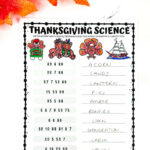
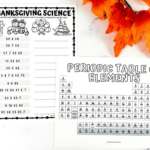
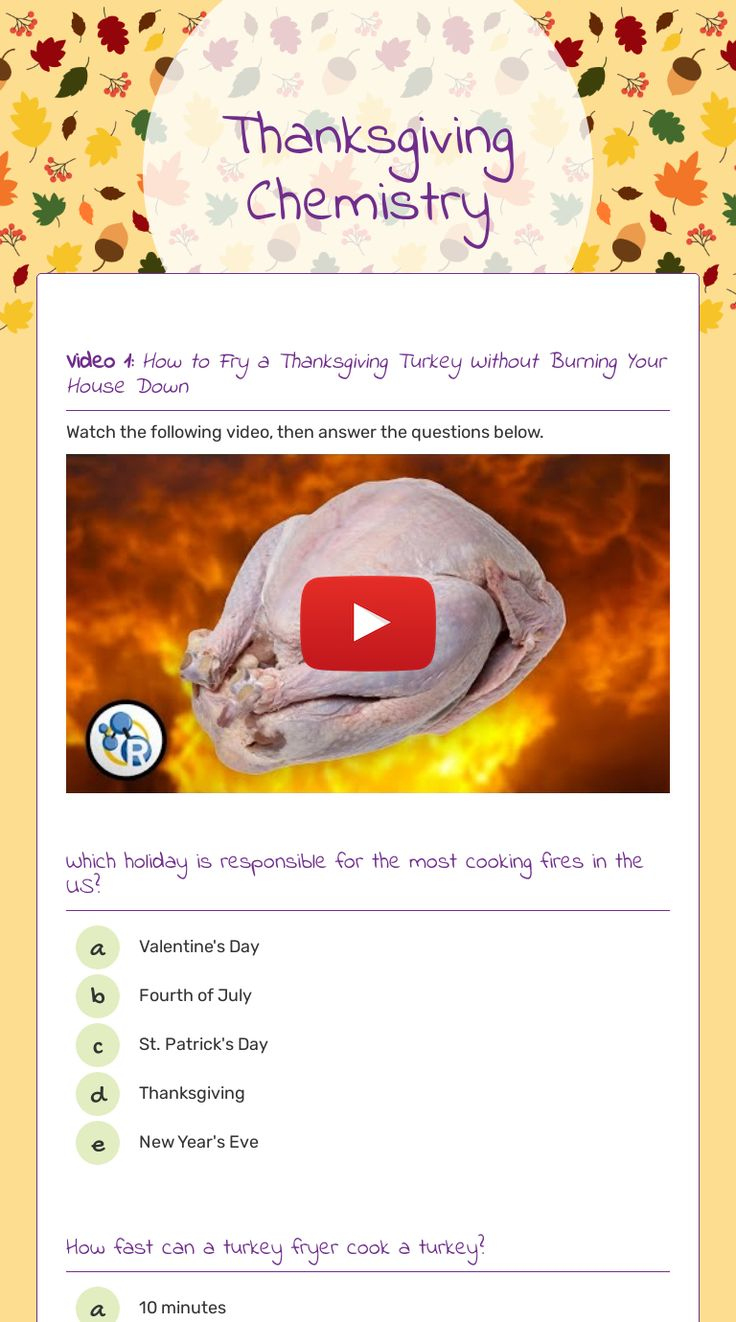
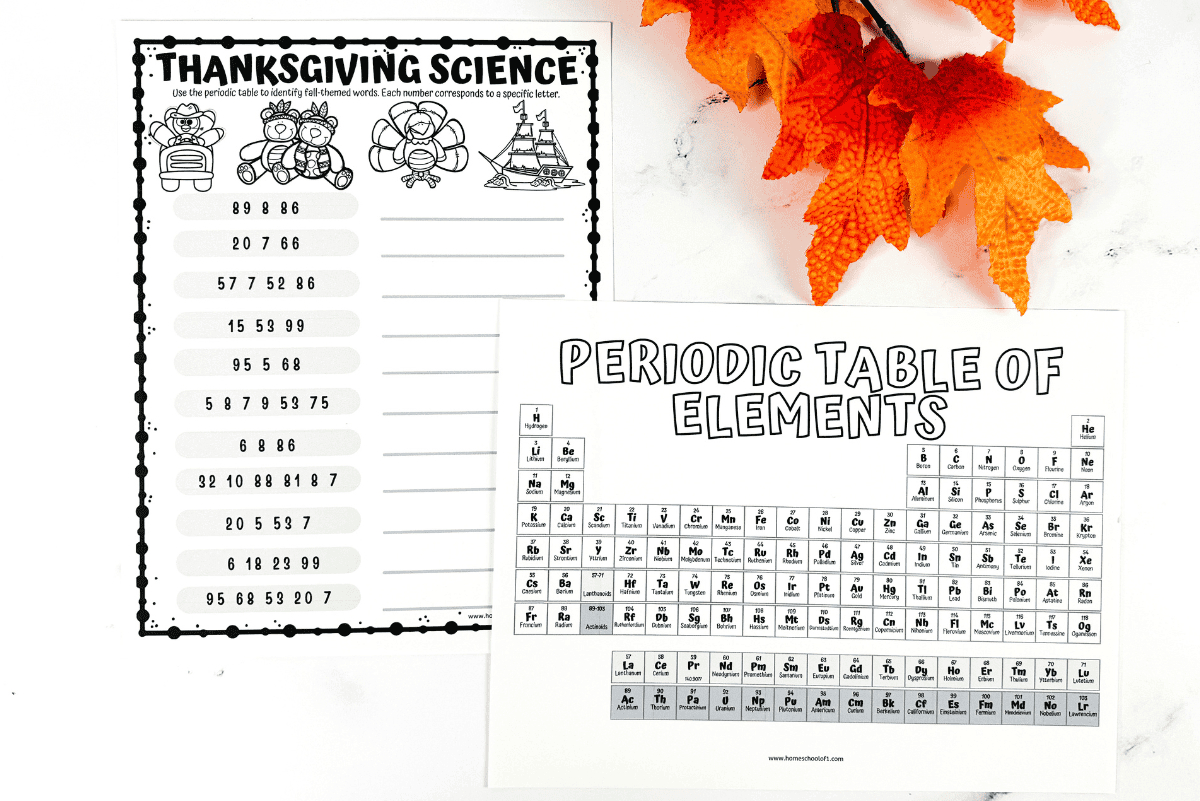
Chemistry of Thanksgiving Worksheet – From cute turkeys to classic fall symbols, these Chemistry of Thanksgiving Worksheet inspire both imagination and learning! Great for classroom centers or at-home fun, they include mazes, word searches, journal pages, and art sheets.
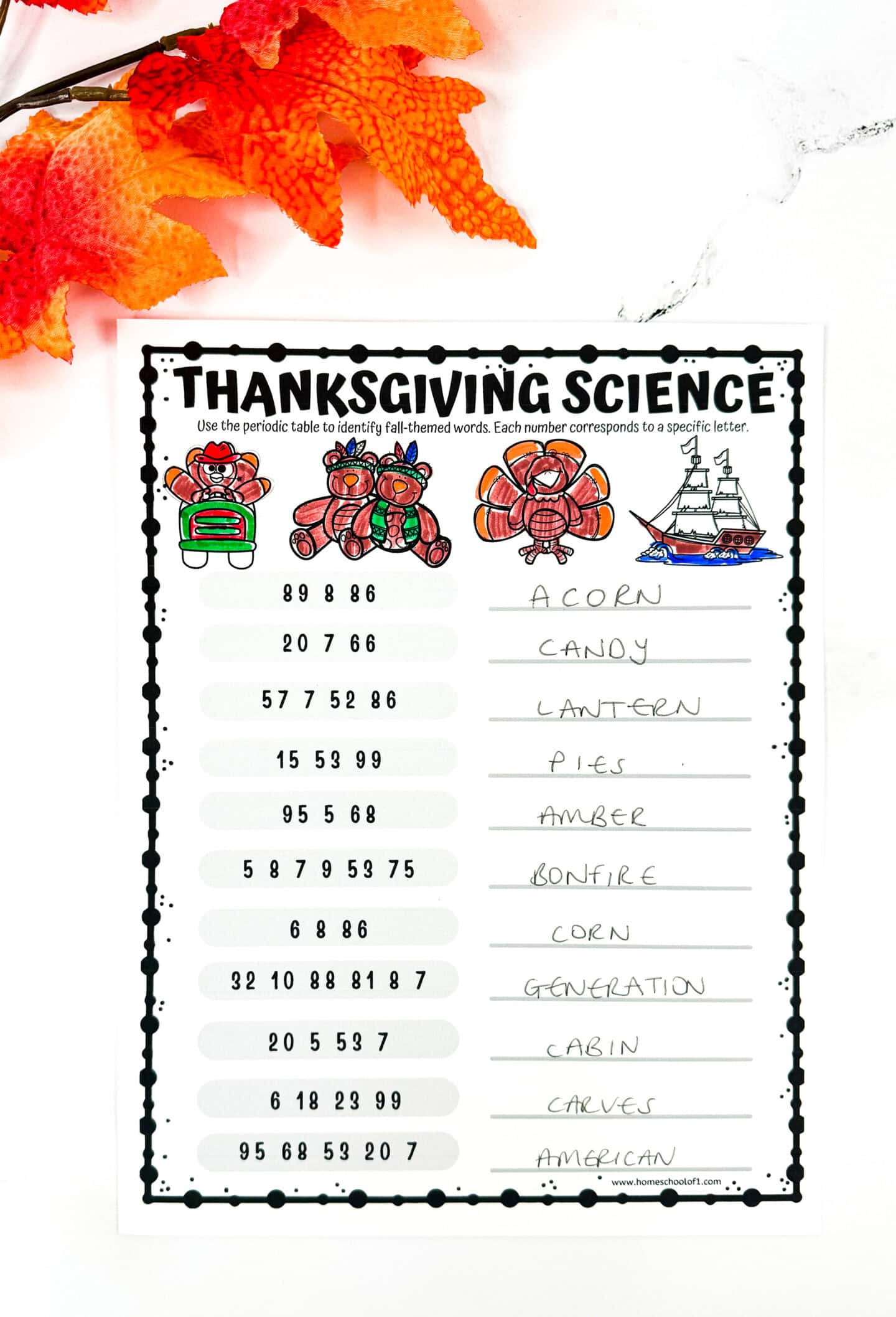 Thanksgiving is a time for gathering with loved ones, enjoying delicious food, and expressing gratitude for all the blessings in our lives. As we prepare for this special holiday, why not add a dash of science to the festivities with a Chemistry of Thanksgiving worksheet? This fun and educational activity will not only engage your mind but also deepen your appreciation for the chemical reactions that occur in the kitchen while cooking up a feast.
Exploring Flavor Chemistry
Have you ever wondered why certain foods taste so good together? The answer lies in flavor chemistry, the study of how different compounds interact to create unique taste sensations. This Thanksgiving, challenge yourself to identify the key flavor compounds in your favorite dishes. For example, cranberries contain compounds called anthocyanins, which give them their vibrant red color and tart flavor. Meanwhile, the caramelization of sugars in roasted sweet potatoes produces a rich, sweet taste that contrasts beautifully with savory seasonings like rosemary and thyme.
In addition to understanding flavor chemistry, you can also explore the role of pH in cooking. Acids and bases play a crucial role in balancing flavors and enhancing the textural qualities of foods. For instance, adding a squeeze of lemon juice to a dish can brighten its flavor by increasing acidity, while baking soda can tenderize meat by raising its pH. By experimenting with different acidic and alkaline ingredients in your Thanksgiving recipes, you can unlock a world of culinary possibilities and create dishes that are both delicious and scientifically intriguing.
The Science of Baking
Baking is both an art and a science, requiring precise measurements and careful attention to chemical reactions. As you whip up batches of pumpkin pie, apple crisp, and other Thanksgiving desserts, take note of the chemical processes at work. For example, when you mix baking soda and an acidic ingredient like buttermilk, a chemical reaction occurs that produces carbon dioxide gas, causing your baked goods to rise. Similarly, the Maillard reaction, which occurs when sugars and amino acids react at high temperatures, is responsible for creating the golden-brown crust on your holiday treats.
Moreover, understanding the science of baking can help you troubleshoot common kitchen mishaps. If your pie crust is too tough, it may be due to overdeveloped gluten strands, which can be mitigated by using a lighter hand when kneading the dough. Alternatively, if your cookies spread too much during baking, adjusting the ratio of butter to flour can help maintain their shape. By applying scientific principles to your baking endeavors, you can elevate your culinary skills and impress your guests with perfectly executed desserts that are as visually appealing as they are delicious.
 Related of Thanksgiving Worksheets Printable
Copyright Disclaimer: Images showcased on this site are acquired from online sources and are protected by their respective copyrights. We make no claims of ownership or copyright over these images. If you hold the copyright to any of the images used and wish to have them credited or removed, please contact us.